

Dimethylamine solution
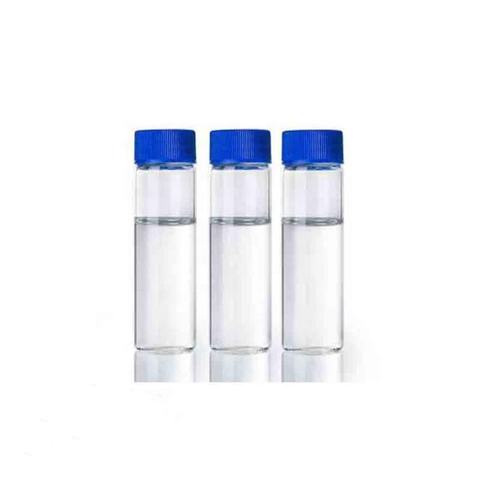
| Physicochemical properties | Color and odor state: colorless to light yellow liquid, with strong ammonia smell and fishy smell | ||
| Flammability: Flammable (vapor flammable). | Density: 30% aqueous solution about 0.87 | ||
| Stability: Stability | Toxicity: Toxic | ||
| Acidity: strong alkaline | Moisture absorption: strong moisture absorption | ||
| Spontaneous ignition point: 400°C (pure vapor). | Flash point: -17°C (pure product), solution flash point varies with concentration | ||
| Deliquescence: easy to deliquescence | Viscosity: Low viscosity, close to the viscosity of water | ||
| Volatility: volatile, vapor is easy to diffuse | Decomposability: High temperature decomposition produces toxic nitrogenous gases | ||
| Corrosive: Weakly corrosive, corrosive to the skin and mucous membranes, and slightly corrosive to metal | |||
| Boiling point: The boiling point of the solution changes with the concentration, and the boiling point of pure dimethylamine is 7.4°C | |||
| Melting point: The melting point of the solution changes with concentration, and the melting point of pure dimethylamine is -92.2°C | |||
| Solubility: miscible with water, ethanol, ether and other organic solvents | |||
| Various numbers | CAS: 124-40-3 (pure) | HS: 2921119090 | EINECS:204-697-4 |
| Uses | organic synthesis raw materials, manufacturing dimethylurea, dimethylformamide, pesticides, medicines, rubber vulcanization accelerators; used as solvents and fuel additives; Textile and paper industry additives, etc | ||
| Hazard category | 3.Flash point flammable liquids (aqueous solution below 40%) in Class 2 | ||
| Fire-fighting measures | Firefighters must wear filtered gas masks (full face masks) or isolated respirators, wear full-body fire and gas protective clothing, extinguish the fire in the upwind direction, move the container to an open place, spray water to cool until the end of the fire extinguishing, and evacuate immediately when the container changes color or the pressure relief device sounds. Fire extinguishing agent: mist water, insoluble foam, dry powder, carbon dioxide, sand. | ||
| Emergency treatment | Skin contact: Immediately remove contaminated clothing, rinse with plenty of running water for at least 15 minutes, and seek medical attention; Eye contact: Immediately lift the eyelids, rinse thoroughly with plenty of running water or saline for at least 15 minutes, and seek medical attention; Inhalation: Quickly leave the scene to a fresh air, keep the airway open, give oxygen for dyspnea, immediately artificial respiration when breathing stops, and seek medical attention; Food: Rinse your mouth with water, drink milk or egg white, and seek medical attention. | ||
| Packaging, storage, transportation | Packaging: 25kg/plastic drum, 200kg/steel-plastic composite drum, tank truck bulk 20 tons/truck. Storage: Cool, ventilated warehouse, away from fire heat sources, storage temperature ≤ 30°C, keep containers sealed, store separately from acids, oxidants, halogens, explosion-proof lighting and ventilation facilities, prohibit equipment and tools that are prone to sparks, and prepare leakage emergency treatment equipment and containment materials in the storage area. Transportation: According to the dangerous goods allocation table, the transport vehicle is equipped with fire-fighting equipment and leakage emergency equipment, and the tank truck is equipped with grounding chains and hole separators, and it is strictly forbidden to mix and transport with acids, oxidants, halogens, and edible chemicals. |
||
Next product: Ammonium hydroxide