


Sodium methanethiolate
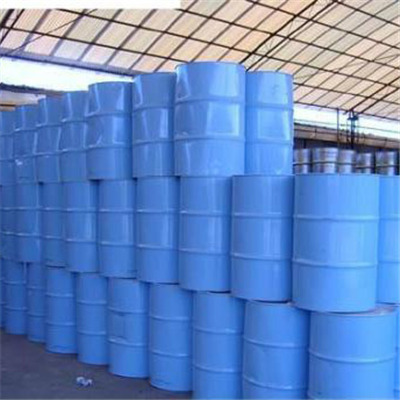
| Physicochemical properties | Color and odor state: colorless transparent liquid, with foul odor | Toxicity: poisoning | |
| Flammability: Flammable | Density: 1.139g/cm³ (20% aqueous solution). | ||
| Volatility: Volatile | Corrosive: corrosive | ||
| Degradability: Not easy to decompose | Stability: Sensitive to moisture, | ||
| Melting point: -123°C (anhydrous). | Acidity: strong alkaline | ||
| Moisture absorption: easy to absorb moisture | Viscosity: low | ||
| Deliquescence: easy to deliquescence | Flash point: 27°C (20% aqueous). | ||
| Solubility: easily soluble in water | |||
| Various numbers | CAS: 5188-07-8 | HS: 2930.90.90 | EINECS:225-969-9 |
| Uses | It can be used as a raw material for pesticides (such as Midocarb, Xicaozin), medicine (such as methionine, vitamin U), and dye intermediates; It can also be used as an antidote for hydrogen sulfide poisoning, an odorant for gas, etc. | ||
| Hazard category | Class 8 corrosive chemicals | ||
| Fire-fighting measures | Firefighters must wear self-contained respirators and anti-acid and alkali protective clothing. Extinguish the fire from the upwind direction and move the container from the fire to an open area as much as possible. Water spray cools the container in the fire to prevent explosion. Avoid direct impact of water flow on the material, prevent leakage spread and environmental pollution. Combustion products may include carbon monoxide, carbon dioxide, sulfur oxides, and sodium oxide. Fire extinguishing medium: extinguish the fire with water mist, anti-alcohol foam, dry powder or carbon dioxide. | ||
| Emergency treatment | Skin contact: Remove contaminated clothing immediately and rinse with plenty of running water for at least 15 minutes. Seek medical attention. Eye contact: Lift the eyelid immediately and rinse thoroughly with plenty of running water or saline for at least 15 minutes. Seek medical attention. Inhalation: Quickly leave the scene to fresh air. Keep your airways open. If breathing is difficult, give oxygen. If breathing stops, perform artificial respiration immediately. Seek medical attention. Accidental ingestion: Rinse your mouth with water and give milk or egg white. Do not induce vomiting. Seek medical attention. | ||
| Packaging, storage, transportation | Packed in plastic drums or stainless steel drums, the specifications are 200kg/drum, 220kg/drum or 235kg/drum, 1000kg/IBC drum, or tank truck bulk. Store in a cool, dry and well-ventilated warehouse. Stay away from fire and heat sources. The storage temperature should not exceed 30°C. Keep the container tightly sealed. It should be stored separately from oxidants, acids, and edible chemicals, and should not be mixed storage. Explosion-proof lighting and ventilation facilities are adopted. Transported according to the requirements of dangerous goods | ||
Next product: None