


Urea
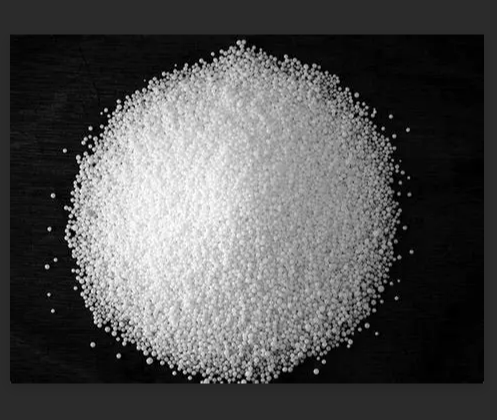
| Physicochemical properties | Color and odor state: odorless white crystals or powder | ||
| Toxicity: Slightly toxic | Flammability: non-combustible | ||
| Density: 1.335 g/cm³ | Volatility: None | ||
| Corrosive: None | Boiling point: 382.48°C | ||
| Decomposability: Heat to 150-160°C for deammonization decomposition | Stability: Stability | ||
| Melting point: 132-135°C | Acid and alkaline: The aqueous solution is neutral | ||
| Moisture absorption: moisture absorption | Stickiness: None | ||
| Flash point: 72.7°C | Deliquescence: It can be deliquescended after severe moisture absorption | ||
| Solubility: soluble in water, soluble in ethanol and benzene, slightly soluble in ether and chloroform. | |||
| Various numbers | CAS: 57-13-6 | HS: 31021010(31021000.90) | EINECS:200-315-5 |
| Uses | It is used as a fertilizer, animal feed additive, and in the production of urea-formaldehyde resin, explosives, medicine (such as dermatological drugs), stabilizers and chemical raw materials. | ||
| Hazard category | General chemicals | ||
| Fire-fighting measures | Hazard characteristics: flammable in open flame and high heat. reacts with sodium hypochlorite and calcium hypochlorite to produce explosive nitrogen trichloride. Toxic gases (nitrogen oxides, carbon monoxide, etc.) are released by high heat separation. Fire extinguishing method: Firefighters must wear full-body fire and gas clothing to extinguish the fire in the upwind direction. Move the container from the fire to an open area as much as possible. Select appropriate fire extinguishing agents (such as dry powder, carbon dioxide, water mist, etc.) to extinguish the fire according to the cause of the fire. |
||
| Emergency treatment | Skin contact: Remove contaminated clothing and rinse with plenty of running water. Eye contact: lift the eyelid and rinse with running water or saline. Seek medical attention. Inhalation: Quickly leave the scene to fresh air. Keep your airways open. If breathing is difficult, give oxygen. Seek medical attention. Accidental ingestion: Drink enough warm water to induce vomiting. Seek medical attention. | ||
| Packaging, storage, transportation | The inner packaging is generally made of plastic bags or plastic liners to prevent moisture, and the outer packaging is mostly made of multi-layer paper bags, polyethylene plastic bags, woven bags or composite bags. The specification is 25kg/bag, 50kg/bag. Or ton bag: 500kg/bag, 1000kg/bag. Store in a cool, ventilated warehouse. Avoid direct sunlight and stay away from fire and heat sources. The packaging must be sealed to prevent moisture absorption from clumping. The packaging should be complete during transportation, and the loading should be secure, ensuring that the container does not leak, collapse, fall, or damage, and is exposed to the sun, rain, and high temperature during transportation. Transported in accordance with general chemical requirements. | ||
Next product: Activated carbon