


Activated carbon
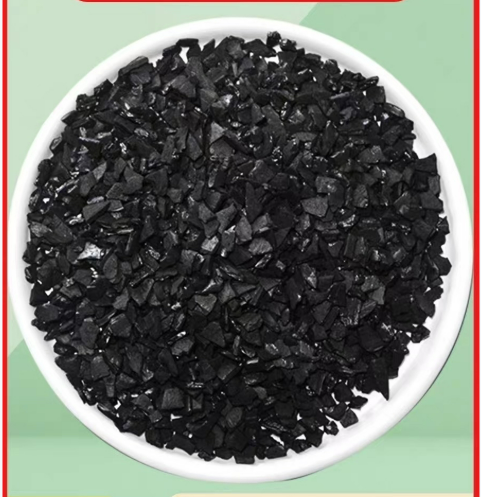
| Physicochemical properties | Color odor state: odorless black powder or granular solid | ||
| Toxicity: Non-toxic | Flammability: combustible | ||
| Density: Filling density 0.45-0.55 | Volatility: None | ||
| Corrosive: None | Boiling point: 500-600°C | ||
| Degradability: None | Stability: Stability | ||
| Melting point: 3550°C | Acidity and alkalinity: neutral or slightly alkaline | ||
| Moisture absorption: strong | Spontaneous ignition point: 450°C | ||
| Stickiness: None | Deliquescence: None | ||
| Flash point: > 110°C | Solubility: Insoluble in water and any organic solvents | ||
| Various numbers | CAS: 7440-44-0 | HS: 38021000 | EINECS:231-153-3 |
| Uses | Gas purification and separation: used for air deodorization, gas masks, recycling solvents (such as benzene, gasoline), natural gas purification, etc. Liquid phase adsorption: widely used in sugar, pharmaceutical, and oil refining industries for decolorization; drinking water purification, wastewater treatment (removal of organic matter, heavy metals, phenols); electroplating bath purification, etc. Catalysts and carriers: used as catalysts or carriers for industrial desulfurization and phosgene production. Environmental protection: used for flue gas desulfurization and denitrification, adsorption of formaldehyde (attention should be paid to easy saturation and passive adsorption problems). | ||
| Hazard category | General chemicals | ||
| Fire-fighting measures | At high temperatures, adsorbed toxic gases (such as carbon monoxide, carbon dioxide) may be released, and firefighters need to wear self-contained respirators and fire extinguishing media: mist water, carbon dioxide, dry powder, sand. Avoid using direct running water to avoid dust flying that could cause an explosion or spread of fire. | ||
| Emergency treatment | Skin contact: Rinse with soap and plenty of water. Eye contact: Rinse immediately with running water or saline for at least 15 minutes, and seek medical attention if necessary. Inhalation: quickly leave the site to fresh air; If you have difficulty breathing, give oxygen or seek medical attention. Accidental ingestion: Do not induce vomiting, seek medical attention immediately. | ||
| Packaging, storage, transportation | It is usually made of laminated plastic bags or woven bags lined with plastic film, each bag is 20kg or 25kg. 500kg or 1000kg container bags (ton bags). Store in a cool, dry and well-ventilated warehouse, away from fire and heat sources, and avoid direct sunlight. It should be stored separately from oxidants, acids and alkalis. During transportation, it should be protected from rain and moisture to avoid dust pollution caused by packaging damage. Transported in accordance with common chemical requirements. | ||
Next product: Dimethyl sulfone